
English
06. Who is Pimentel Fonseca and why dedicate a project to her?
Before answering the question “Who is Pimentel Fonseca?”, I need to take a step back and briefly explain how I first encountered this historical figure. During a book fair at the Royal Palace of Naples, I stopped in front of a volume whose cover immediately caught my attention — a simple portrait of a woman. I began to leaf through it, and a lady approached me with great gentleness. She started telling me, in a brief yet passionate and intense way, the story of Eleonora. The following day, I began researching her life, and the more I read, the more I realized how extraordinary she was a woman who lived through a difficult and turbulent era, and who played a crucial role in the history of Naples and of Italy. From here, I want to try to answer the question: “Who is Eleonora?”
Italiano
06. Chi è Pimentel Fonseca e perché dedicare un progetto a lei?
Prima di rispondere alla domanda "Chi è Pimentel Fonseca?", è necessario fare un passo indietro e raccontare brevemente come sono venuto a conoscenza di questa figura storica. Durante una fiera del libro al Palazzo Reale di Napoli, mi sono soffermato su un libro che mi ha colpito per la sua immagine di copertina, un semplice ritratto di donna, da lì ho iniziato a sfogliare quel libro, si è avvicinata una signora in modo molto educato e mi ha iniziato a raccontare in maniera breve, appassionata e così intensa la storia di Eleonora. Il giorno dopo, ho iniziato a documentarmi su di lei, e più leggevo, più mi rendevo conto di quanto fosse una figura incredibile, una donna che ha vissuto in un periodo storico molto difficile, e che ha avuto un ruolo molto importante nella storia di Napoli e dell'Italia. Da qui voglio cercare di raccontarvi "Chi è Eleonora?".
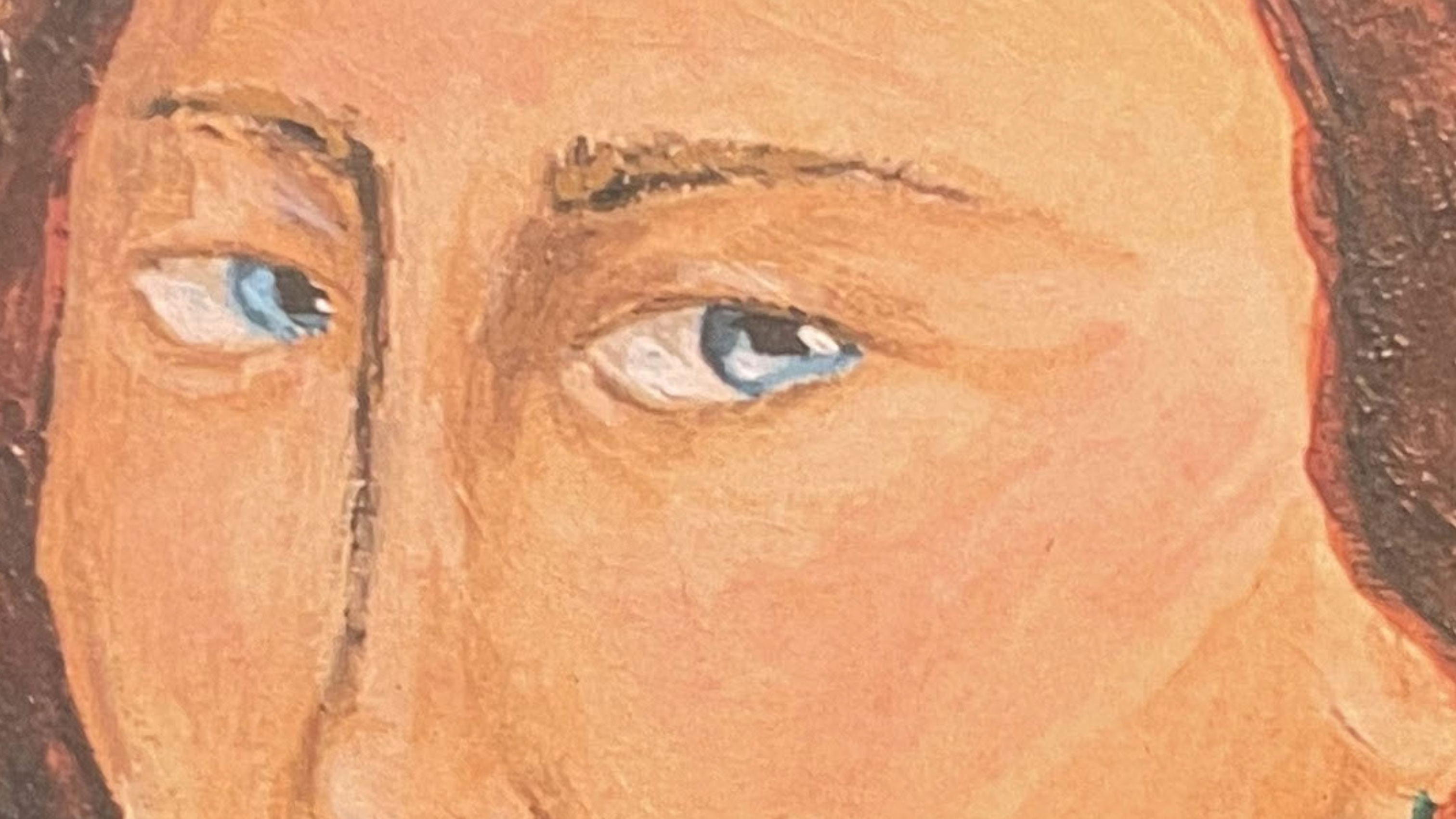
– Eleonora Pimentel Fonseca's gaze –
Born in Rome in 1752 to Portuguese nobility, Eleonora Pimentel Fonseca grew up in Naples, where her precocious mind was nourished by literature, science, and politics. From a very young age, she displayed an extraordinary intelligence: at just fourteen she wrote Il trionfo della virtù, a poem dedicated to the Marquis of Pombal, a symbol of reform and progress. Her private life was marked by pain an unhappy marriage and the loss of her child, yet her mind remained free, ardent, ready to challenge every convention. Poetess at court, scholar, and translator, Eleonora soon became a prominent figure within the Neapolitan Enlightenment. In 1790 she translated and commented on Nicolò Caravita’s Nullum jus Pontifici Maximi in Regno Neapolitano, boldly defending the rights of the Kingdom against papal authority. Her words “The kingdom is not patronage… it is the administration and defense of the public rights of the nation”, already revealed her modern and civic vision of the State. But the Bourbon court, increasingly absolutist, became for her a moral prison. The echo of the French Revolution called to her: liberty, equality, justice. Eleonora embraced Jacobin ideals with moderation and humanity, rejecting the violence of the Terror while believing deeply in reason and in the education of the people. In 1798 she was arrested as a subversive, the only woman among the “dangerous” suspects. Imprisoned in the Vicaria, she endured hunger, filth, and humiliation. Yet even in that dark cell, her mind did not fall silent. She wrote verses, perhaps even the lost Hymn to Liberty and waited for the moment to rise again. When the French entered Naples in January 1799, Eleonora was freed. She returned to the light as a living symbol of the newborn Republic. She led the republican women in the assault on Castel Sant’Elmo, raising the tricolour flag sewn with her own hands. She then founded the Monitore Napoletano, the newspaper of the Republic, which she directed with courage and clarity. In those pages, often written entirely by her, Eleonora spoke to the people, denounced injustice, and defended freedom with the strength of her words. She became the voice of Naples’ civic conscience. But the Republic did not last. Betrayed and besieged, it fell under Bourbon vengeance. Eleonora was captured in the Sant’Elmo fortress and sentenced to death by hanging. She was denied decapitation, the privilege reserved for nobles, and even refused a piece of rope to tie her skirt. On August 20, 1799, Eleonora Pimentel Fonseca walked toward the gallows with steady steps, through a crowd that insulted her. Her hair now white, her face serene, she pronounced the words that would cross the centuries: “Forsan et haec olim meminisse iuvabit.” Perhaps one day it will be a comfort to remember even this.
Nata a Roma nel 1752 da nobili portoghesi, Eleonora Pimentel Fonseca crebbe a Napoli, dove la sua mente precoce si nutrì di letteratura, scienze e politica. Fin da giovanissima, mostrò un’intelligenza fuori dal comune: a soli quattordici anni scrisse Il trionfo della virtù, un poemetto dedicato al marchese di Pombal, simbolo di riforme e progresso. La sua vita privata fu segnata da dolore di un matrimonio infelice e la perdita del figlio, ma la sua mente rimase libera, ardente, pronta a sfidare ogni convenzione. Poetessa di corte, studiosa e traduttrice, Eleonora divenne presto una figura di spicco negli ambienti illuministi napoletani. Nel 1790 tradusse e commentò la dissertazione di Nicolò Caravita Nullum jus Pontifici Maximi in Regno Neapolitano, difendendo con audacia i diritti del Regno contro il potere papale. Le sue parole “Il regno non è patronato… è amministrazione e difesa dei diritti pubblici della nazione” rivelavano già la sua visione moderna e civile dello Stato. Ma la corte borbonica, sempre più assolutista, divenne per lei una prigione morale. L’eco della Rivoluzione francese la chiamava: libertà, uguaglianza, giustizia. Eleonora abbracciò gli ideali giacobini con misura e umanità, rifiutando la violenza del Terrore ma credendo nella forza della ragione e dell’educazione del popolo. Nel 1798 fu arrestata come sovversiva, unica donna tra i “pericolosi”. Rinchiusa nella Vicaria, conobbe la fame, la sporcizia, l’umiliazione. Eppure, anche in quella cella oscura, la sua mente non tacque. Scrisse versi, forse l’Inno alla Libertà, e attese il momento di rinascere. Quando i francesi giunsero a Napoli nel gennaio 1799, Eleonora fu liberata. Tornò alla luce come simbolo vivente della Repubblica nascente. Guidò le donne repubblicane all’assalto di Castel Sant’Elmo, issando la bandiera tricolore cucita con le proprie mani. Poi fondò il Monitore Napoletano, il giornale della Repubblica, che diresse con coraggio e lucidità. In quelle pagine scritte spesso interamente da lei, Eleonora parlò al popolo, denunciò le ingiustizie, difese la libertà con la forza della parola. Era la voce della coscienza civile di Napoli. Ma la Repubblica durò poco. Tradita, assediata, cadde sotto la vendetta borbonica. Eleonora fu catturata nel Forte Sant’Elmo, condannata a morte per impiccagione. Le negarono la decapitazione, il privilegio dei nobili, e persino un pezzo di corda per legare la gonna. Il 20 agosto 1799, Eleonora Pimentel Fonseca avanzò verso la forca con passo fermo, tra la folla che la insultava. I capelli ormai bianchi, il volto sereno, pronunciò le parole che attraversarono i secoli: “Forsan et haec olim meminisse iuvabit.” Forse un giorno gioverà ricordare tutto questo.
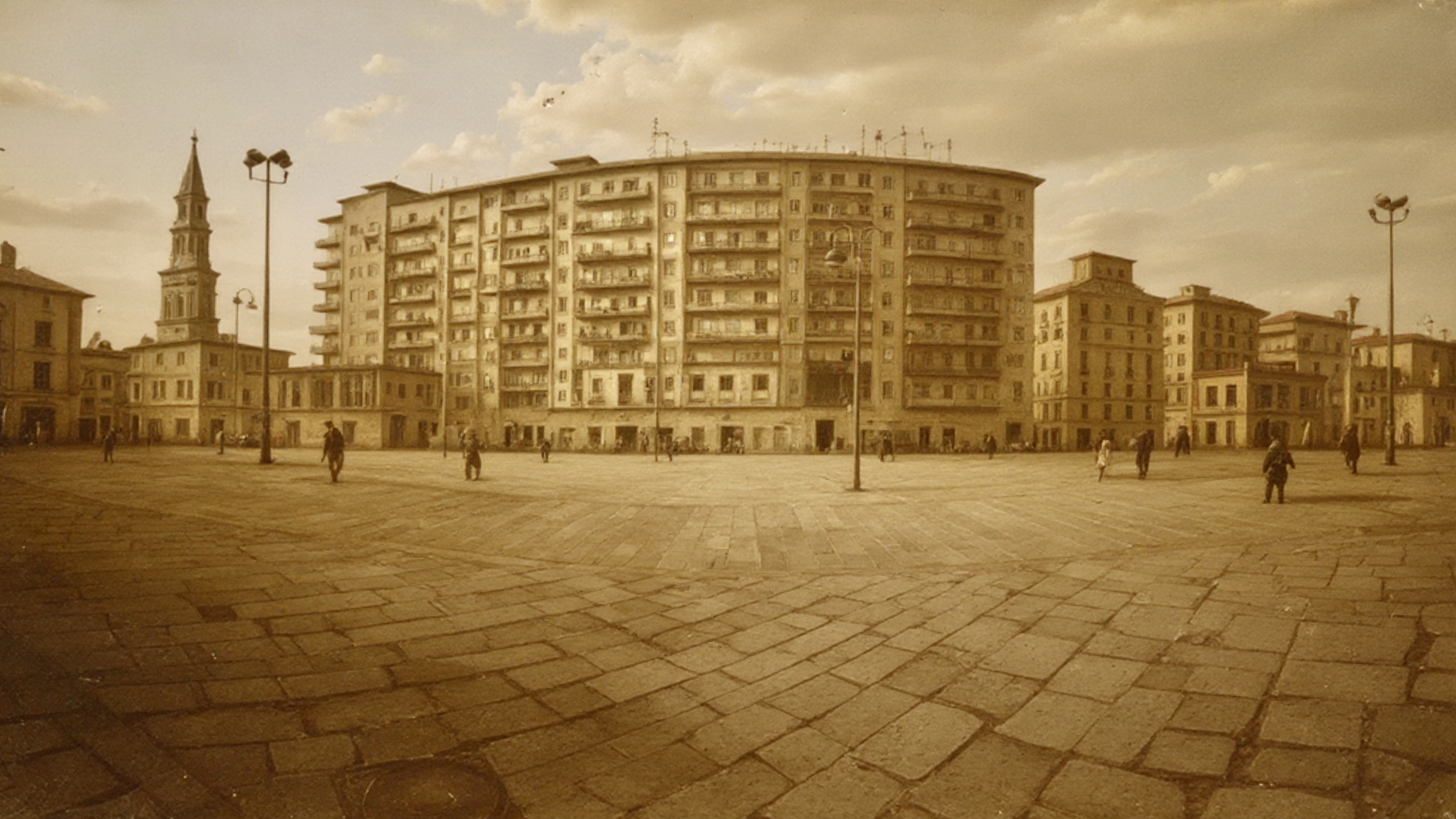
– Market square today, with 1799 effect, the execution –
After giving a not‑so‑brief answer to the question “Who is Eleonora?”, it feels necessary to explain why I decided to dedicate a project to Eleonora Pimentel Fonseca. She was not only a patriot or an Enlightenment martyr, but a Woman who embodied with strength and courage, the values of freedom, justice, and human dignity. In her writings, even those composed in prison, and in her voice that did not tremble even in the face of death, I find a guide for my own work: the commitment to give form to what can improve people’s lives, to make the complex readable, to build order where disorder prevails. And when she climbed the gallows, advancing with dignity through the insults, she pronounced the words that I now carry with me as both a warning and a promise: “Forsan et haec olim meminisse iuvabit.” Perhaps one day it will be a comfort to remember even this. This is the thread that connects her story to my work: the belief that every project can leave a trace, and that memory personal or collective is the most precious material we have to build with. I admit I may have exaggerated in my final lines, but I believe that each of us, deep down, has sources of inspiration that guide us, and for me, Eleonora is one of them.
Dopo una non breve risposta alla domanda "Chi è Eleonora?", mi sembra doveroso provare a spiegare perché ho deciso di dedicare un progetto ad Eleonora Pimentel Fonseca. Lei non fu soltanto una patriota o una martire illuminista, ma una Donna che ha incarnato con forza e coraggio i valori di libertà, giustizia e dignità umana. Nelle sue pagine scritte anche in un carcere e nella sua voce che non tremò nemmeno davanti alla morte, ritrovo una guida sul mio lavoro: dare forma a ciò che può migliorare la vita delle persone, rendere leggibile ciò che è complesso, costruire ordine dove c’è disordine. E quando salì sulla forca, avanzando con dignità tra gli insulti, pronunciò la frase che oggi porto con me come un monito e una promessa: “Forsan et haec olim meminisse iuvabit.” Forse un giorno gioverà ricordare tutto questo. È questo il filo che unisce la sua storia al mio lavoro: la convinzione che ogni progetto possa lasciare una traccia, e che la memoria personale o collettiva sia il materiale più prezioso con cui costruire. Ammetto di aver esagerato nelle ultime frasi, ma credo che ognuno di noi, in fondo, abbia fonti di ispirazione che ci guidano, e per me Eleonora è una di queste.
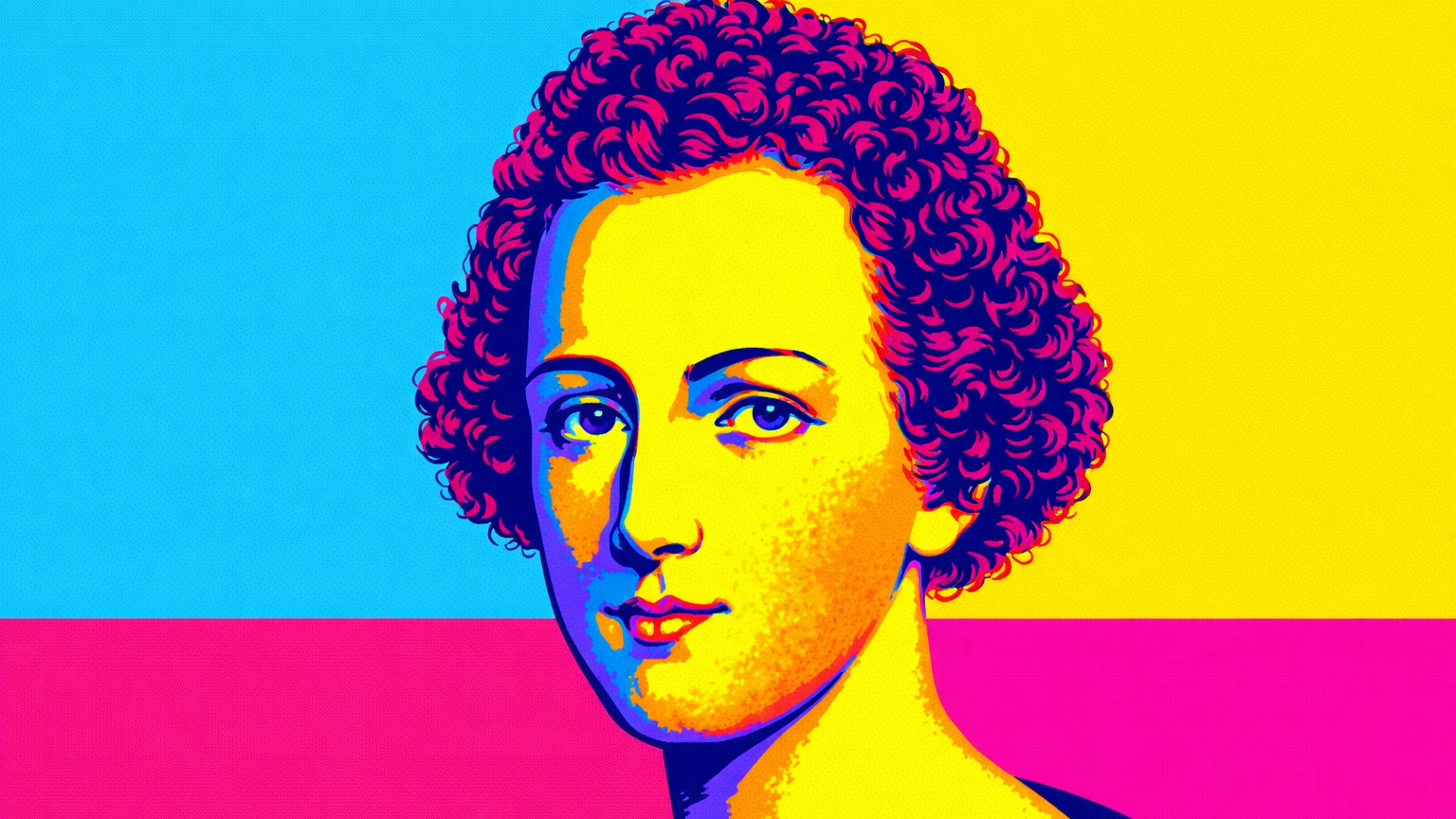
– Eleonora Pimentel Fonseca in Pop-Art –
I appreciate you reading "Who is Pimentel Fonseca and why dedicate a project to her?" and feel free to contact me if you want to share your thoughts.
Grazie per aver letto "Chi è Pimentel Fonseca e perché dedicare un progetto a lei?", mi contatti pure se vuole condividere la sua opinione.